George Michael & Prince — Eccentric Icons, Quiet Leaders
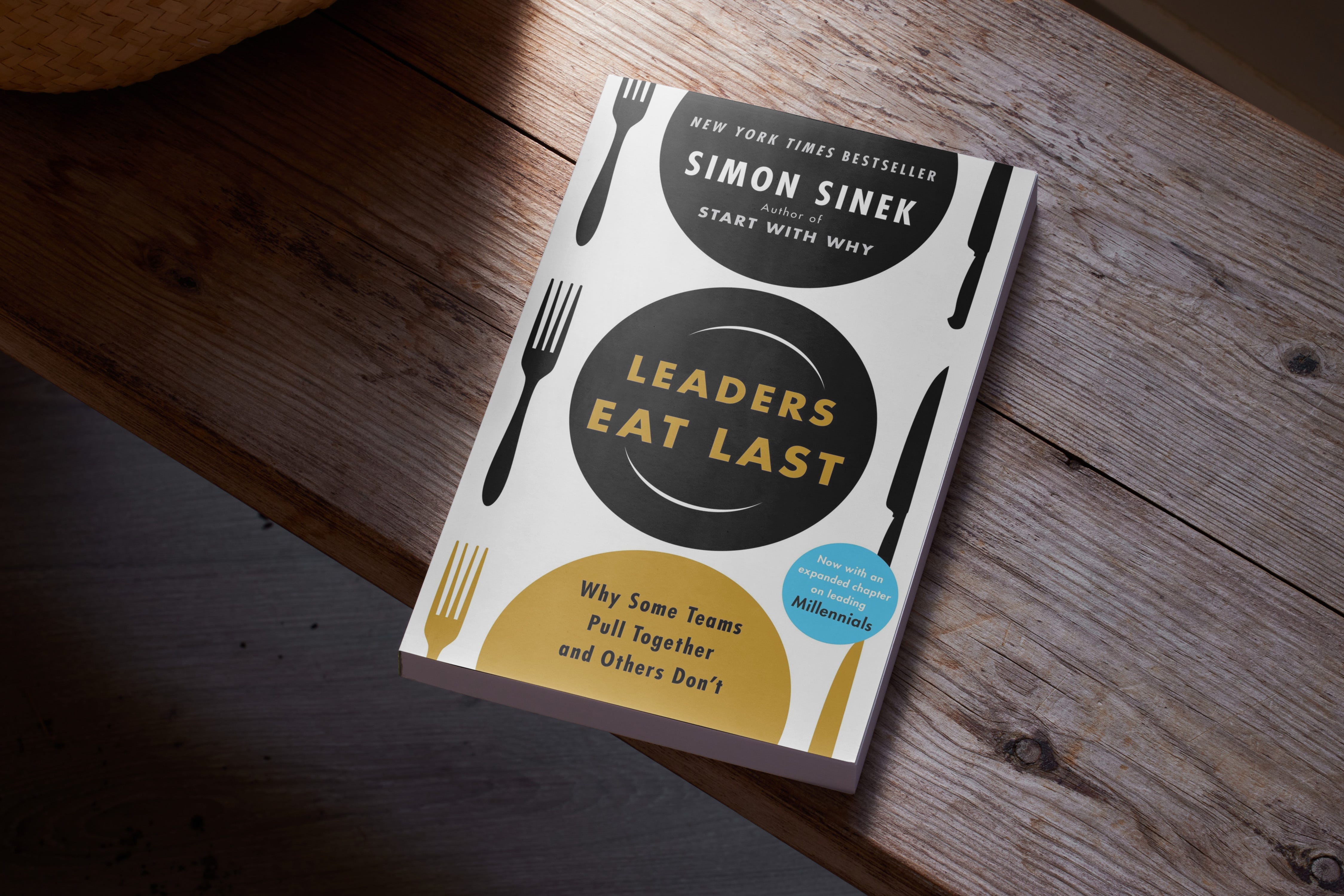
Leaders Eat Last...

When we think of George Michael and Prince, we see flamboyant performers with unforgettable music, boundary‑pushing style, and personas that felt larger than life. They looked eccentric — unpredictable, intense, boundary‑breaking — and for many years the public narrative leaned into that surface image.
Beyond their flamboyant public images, Michael and Prince lived with quiet, profound integrity. In a culture saturated with pseudo‑gurus who dazzle with charm while leaving destruction in their wake, their selfless actions stand out. A delicious irony.
This distinction is exactly what Simon Sinek argues in Leaders Eat Last: that leadership isn’t about visibility or optics, it’s about service, sacrifice, and putting others first. Real leadership creates a “Circle of Safety” built on trust and action — not image.
George Michael’s Quiet Generosity
George Michael’s life combined enormous fame with personal struggles, including early pressures, LGBTQ stigma, and family loss. Behind the headlines, he gave quietly, insisting on anonymity: donating royalties to charities like ChildLine, supporting health causes, holding benefit concerts, and helping individuals directly, whether paying for IVF treatments, tipping a student nurse, or volunteering anonymously at a homeless shelter. His private generosity contrasted sharply with his public persona, revealing a deeply compassionate and humble character.
Prince’s Hidden Leadership
Prince maintained a mythical, intensely private image, but his giving was both intentional and substantial. He became a devout Jehovah’s Witness in the early 2000s — a faith that emphasizes humility and doing good without seeking recognition — and this likely influenced his preference for remaining out of the spotlight. In his lifetime he quietly supported community institutions, helped pay medical bills, and funded initiatives like #YesWeCode and other social and environmental efforts, often anonymously. His acts were deliberate and unseen by choice, demonstrating integrity and leadership that prioritized impact over recognition.
Other Quiet Leaders Beyond Entertainment
Michael and Prince are far from the only examples of quiet, impactful leadership. Figures like Ruth Bader Ginsburg advanced justice through tireless work behind the scenes; Fred Rogers shaped generations with humility, kindness, and intentional influence; and Paul Farmer dedicated his life to global health equity, often without fanfare or recognition. In business, leaders such as Indra Nooyi transformed organizations through steady vision and empathy rather than headline-grabbing theatrics. Across fields, these individuals show that meaningful impact rarely requires spectacle — integrity and service do the heavy lifting.
Persona vs. Reality — Why It Matters
We live in an age of crafted personas and brand narratives — especially online — where charisma often overshadows character. In the last decade, it’s become common to watch seemingly wise or generous “leaders” prove to have little substance when examined closely. But Michael and Prince flip that script. Their eccentric, sometimes misunderstood public images masked lives defined by quiet service to others and impact without applause.
Simon Sinek’s central message in Leaders Eat Last is that leadership isn’t a badge worn in public — it’s action taken in service of others. George Michael and Prince didn’t lead from the stage; they led through compassion, generosity, and choices that uplifted people and communities without headlines. Their stories remind us that true leadership often happens unseen, and the most real forms of influence aren’t about image — they’re about how deeply you serve.